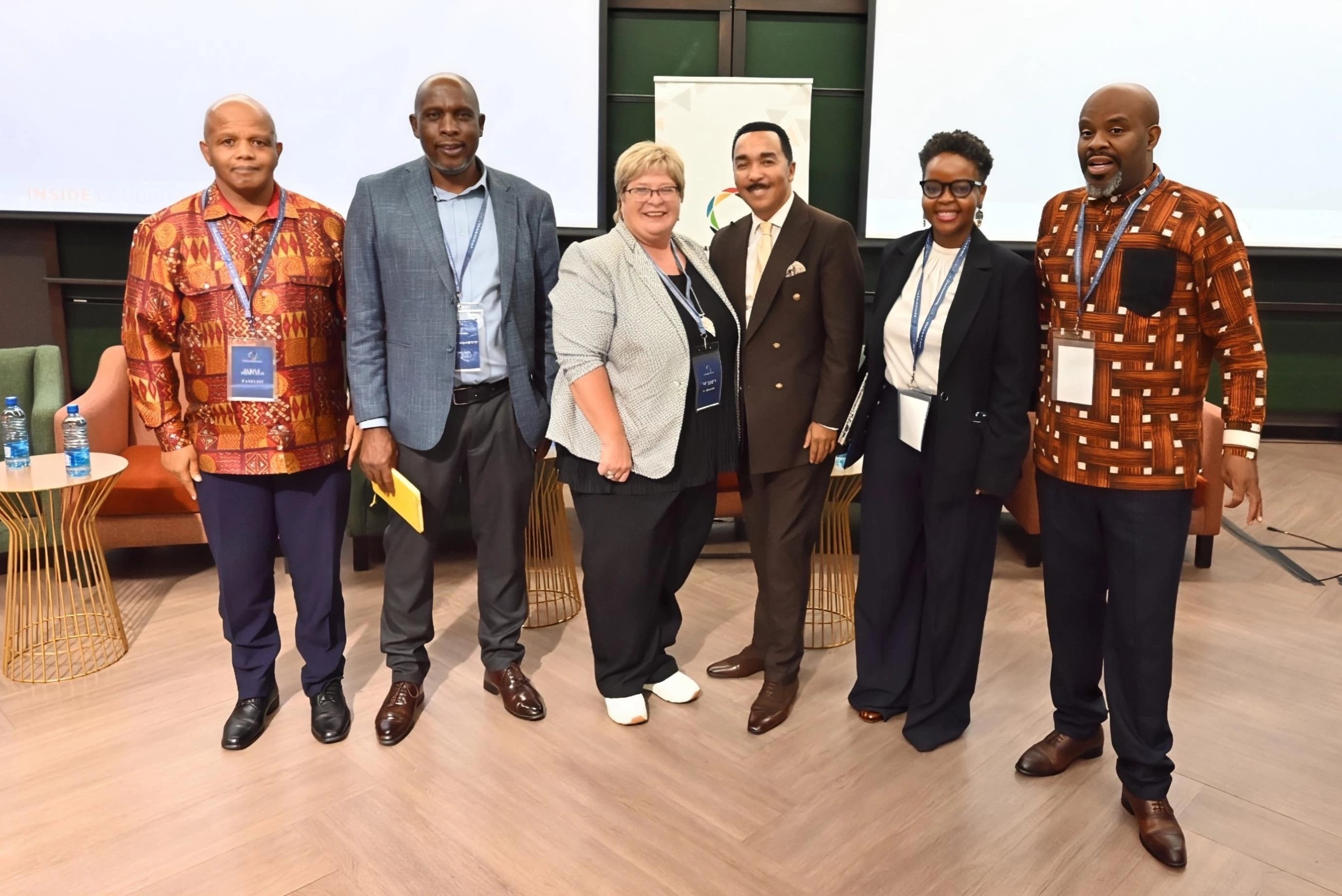
On the 20th of April 2026, Inside Education hosted the National Education Summit 2026 at GIBS Business School. The summit convened policymakers, educators, industry leaders, funders, and civil society representatives to address structural weaknesses across South Africa’s education-to-employment pipeline under the theme “Fixing the Pipeline: From Early Childhood to Transformative Livelihoods.”
Featuring a keynote address by the Honourable Minister of Higher Education and Training, Mr Buti Manamela, the summit focused on three critical leverage points: Early Childhood Development (ECD), Entrepreneurship Education, and Vocational Pathways. Discussions centred on strengthening foundational learning, embedding entrepreneurial thinking within the education system, and repositioning vocational education as aspirational, industry-linked, and economically viable.
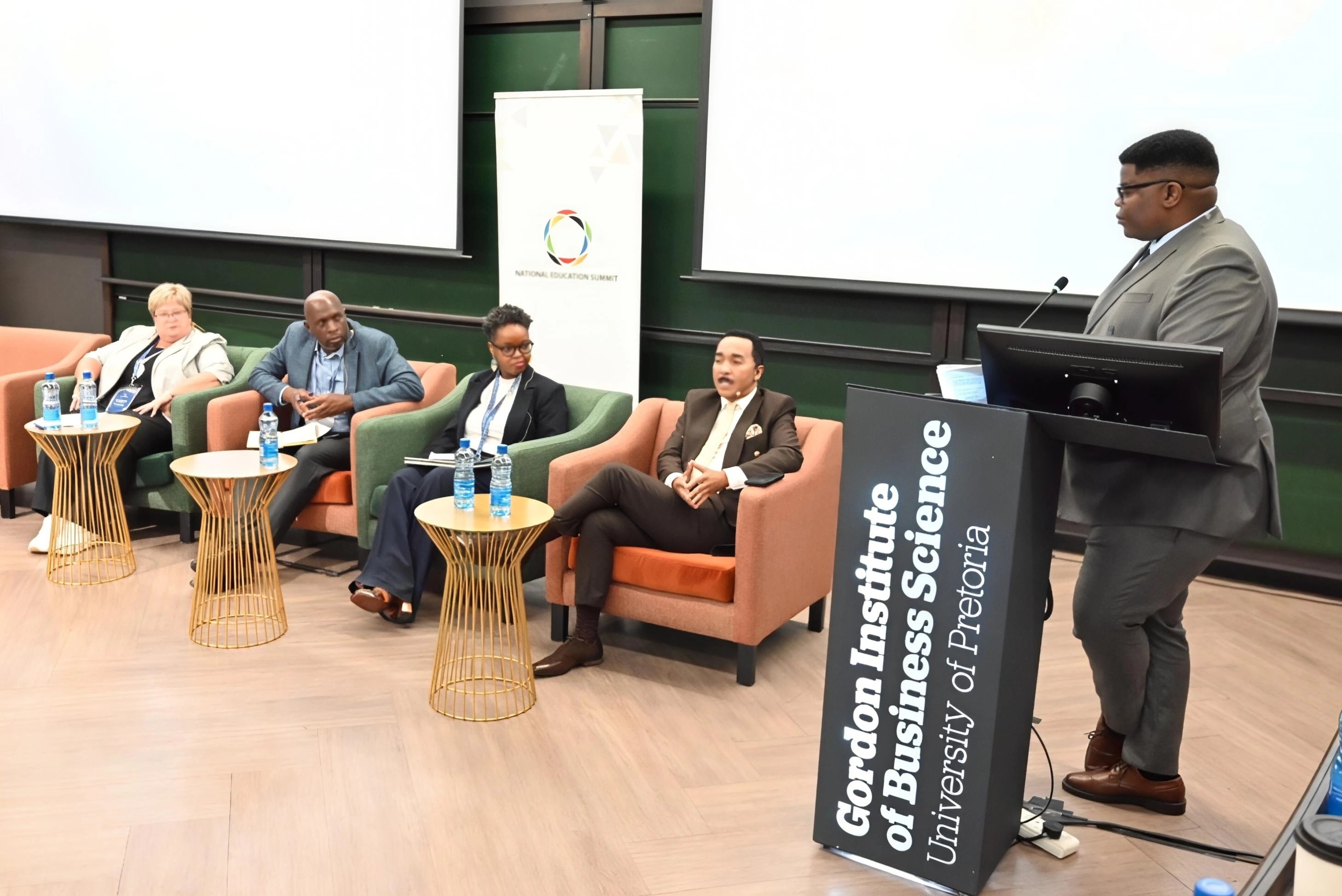
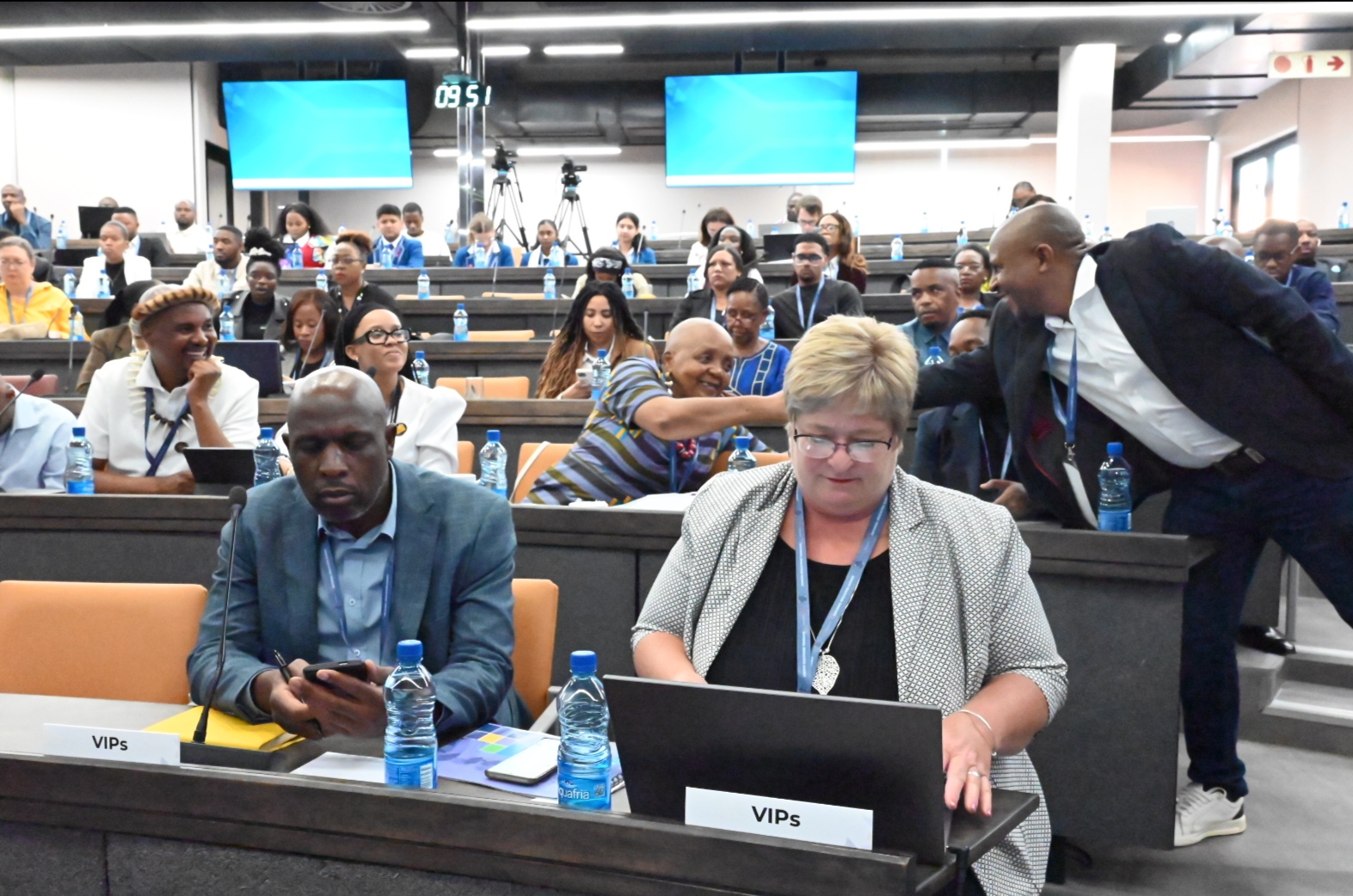
Through high-level panel discussions and interactive innovation zones, the summit aimed to align policy, identify funding gaps, strengthen cross-sector collaboration, and generate actionable outcomes to advance youth skills development, workforce readiness, and long-term economic transformation.
Mr Victor Ngobeni, Director of the Leadership and Management Unit at the Matthew Goniwe School of Leadership and Governance (MGSLG), was invited to serve as a panellist during Panel Discussion 3 on Early Childhood Development, based on his expertise in the field.
“Early Childhood Development is foundational to lifelong learning and improved educational outcomes, particularly in underserved communities.”
The summit reaffirmed the importance of strengthening investment in the ECD workforce, infrastructure, leadership development, foundational literacy and numeracy, as well as greater parental and community involvement in early learning.
Discussions on entrepreneurship education highlighted the need to integrate entrepreneurial competencies across all levels of education through more practical and experiential learning approaches. Participants further called for stronger partnerships between education institutions, the private sector, and SMMEs to provide learners with early exposure to enterprise development opportunities.
In vocational and technical education, the summit emphasised the critical role of TVET colleges in driving inclusive economic growth and addressing skills shortages. Recommendations included strengthening curriculum relevance, expanding work-integrated learning opportunities, improving articulation pathways between TVET colleges and universities, and reviewing funding and governance models to improve institutional performance.
In conclusion, the summit recognised that improvements in education and skills development must be complemented by broader economic growth and job creation to effectively address inequality, poverty, and unemployment. Participants committed to advancing the outcomes of the summit through continued engagement, partnership, and the development of practical implementation mechanisms.
← Back to News & Articles